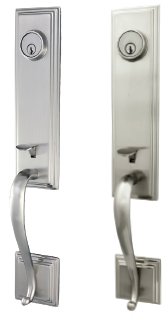
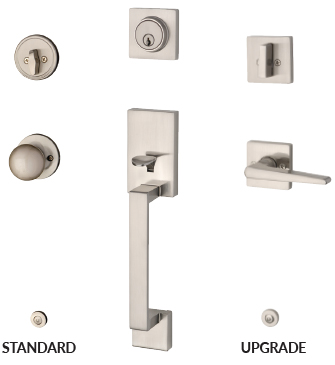
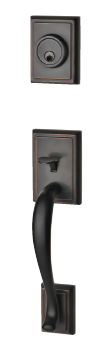
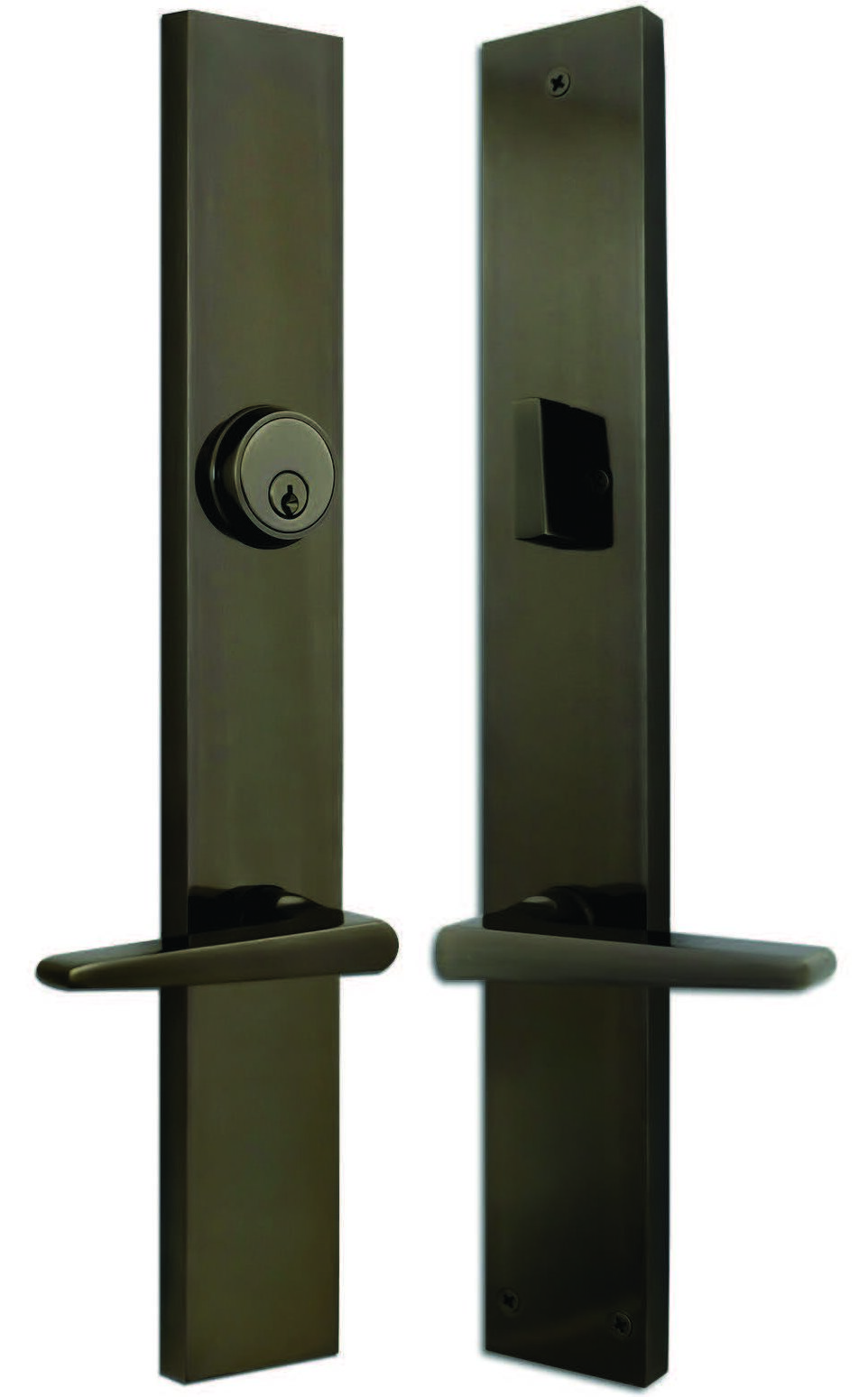
Hardware is where a door stops being a product and starts being your door. Every option on this page is chosen at the point of order, so it helps to arrive at your estimate knowing roughly what you want rather than deciding it under pressure. Four decisions do most of the work.
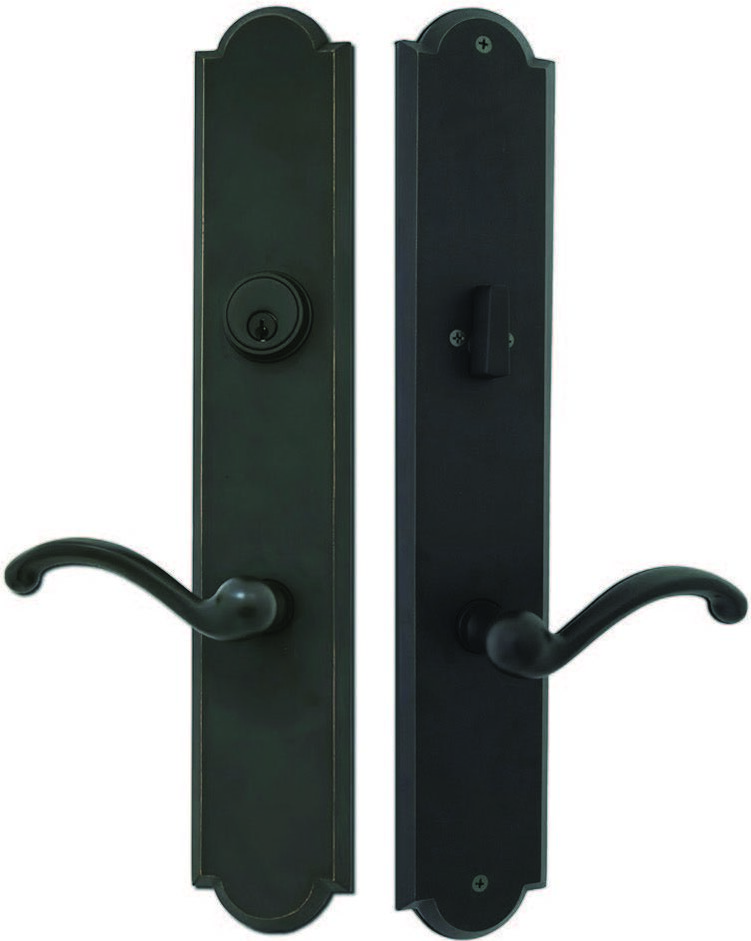
Locking comes first. A multi-point lock extends most, and often the full, height of the door and engages at several points along the frame at once, while a conventional deadbolt puts all of a door’s resistance into a single strike plate at one height. The second effect matters more than most people expect: a door held firmly against its gasket at three points seals better than one held at a single point, so multi-point hardware improves draught performance as well as security. It is the upgrade we recommend most often on front and back doors.
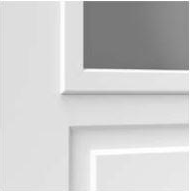
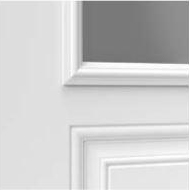
Match the frame profile to the door collection. The Contemporary profile is a clean, simple frame designed for our Design collection doors. The Georgian profile is a classic profile that matches our Classic collection doors precisely. Specify the profile that belongs to your door’s collection unless you have a deliberate reason not to, because a Contemporary profile around a Classic panelled door reads as a mismatch even to people who cannot name why.
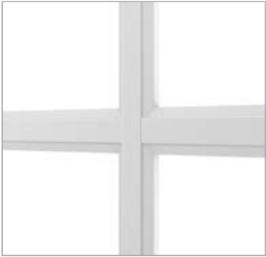
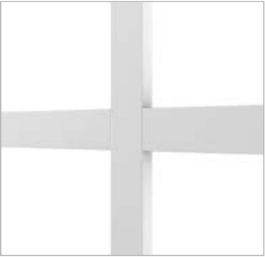
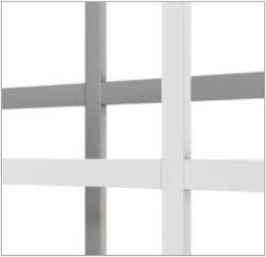
Choose grilles for the house, not just the door. Our grilles sit between the panes, so the glass wipes clean as a single surface and the pattern never collects dust. Georgian patterns suit traditional and heritage elevations, fine rectangular patterns suit transitional and modern ones. Colonial layouts visually widen a narrow, tall door, and Prairie layouts concentrate the pattern at the corners.
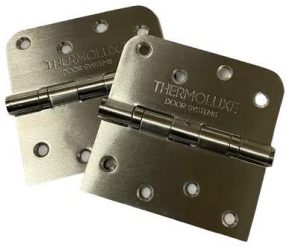
Keep finishes in one family. Match the finish to the rest of the entrance rather than to the door alone. The house number, letter plate and porch light sit in the same field of view, and mixed finishes in one sightline are the most common entrance design error. Split finishes, with one colour outside and another inside, are available across most door and hardware ranges.
One more specification decision is easy to overlook: how your door meets the wall. That choice determines whether existing exterior finishes are disturbed and how the opening is sealed. Read our explanation of retrofit versus brickmold installation before your estimate so the conversation starts from an informed place. If you are still choosing a door style, start with our exterior door collections; if you are choosing glass, start with our door glass inserts.